
Bagombeka Job - My Portifolio Website
Designer, Developer, Photographer, Writer
Kampala, Uganda & Nairobi, Kenya

Hey there!👀
I'm Bagombeka Job, and as you might have already read, I'm a software developer, designer, and writer. This website was made to showcase all of what I can do and plan to do. Don't judge my writing based on this section though, this is by far my shoddiest work yet.
Am a passionate software developer and internet entrepreneur who’s always been driven by curiosity and creativity. I built this website as a space to share my journey, ideas, and everything I care about in this fast-changing digital world.
I got into design because I consider myself a pseudo-perfectionist, if that's even a word? As in, I hate to see things 'not look good'. So I set out on a journey to make products that people use that 'look great', and I'm forever on that path.
I dove into development because computers have always fascinated me.int i = 10; creates an integer of value 10? LIKE, WOW! But seriously, just seeing code getting converted to things we use regularly, like Facebook or Amazon, was no less than magic to me and that's where my quest to invent began.
I love building things that matter — tools, experiences, and platforms that connect people, solve real problems, and spark inspiration. For me, technology isn’t just about code, it’s about possibility. Every project I take on is a chance to learn, create, and grow.
Outside the screen, I’m deeply passionate about personal growth and helping others find clarity and purpose. I believe in honest work, bold dreams, and leaving the world a little better than I found it.
I created this website so I could showcase all this and through this process, make it easier for you to connect with me. If you like what you see, head over to the contact section below and send me a text. I would love to hear from you!

SMSONE LTD (2024 September 03 - Present)
Software Engineer
Kampala, Uganda
Key Focus: Vue.js, Tailwind CSS, Laravel, PostGres, Docker, Java(Spring Boot), RabbitMQ, Elastic Stack, React, Python, GoLang, Kotlin, Flutter, NextJs, PHP, Livewire, Typescript

ELOI MINISTRIES (2024 Jan 22 - July 24)
Junior Full-Stack Developer
Remote: Burlington, Vermont, USA
Key Focus: Vue, React, Tailwind CSS, Bootstrap, Angular Js, Laravel, MongoDB, PostGres, Java, Docker, Wordpress, Django, Elastic Stack, RabbitMQ

Tuko Supper App (2023 Jan 23 - Dec 12)
Frontend Developer
Kampala, Uganda
Key Focus: React/React Native, NestJS, Flutter, Wordpress, Bootstrap, Java, Kotlin, Swift

Sail Pali Institute of Technology & Education (2020 - 2023)
Diploma, Computer Science & Engineering
Pune, India

Rines High School (2018 - 2019)
High School, UACE
Kampala, Uganda

Rwemiyenje Primary School (2003 - 2013)
Kindergatten, Elementary & Primary School, PLE
Mbarara, Uganda












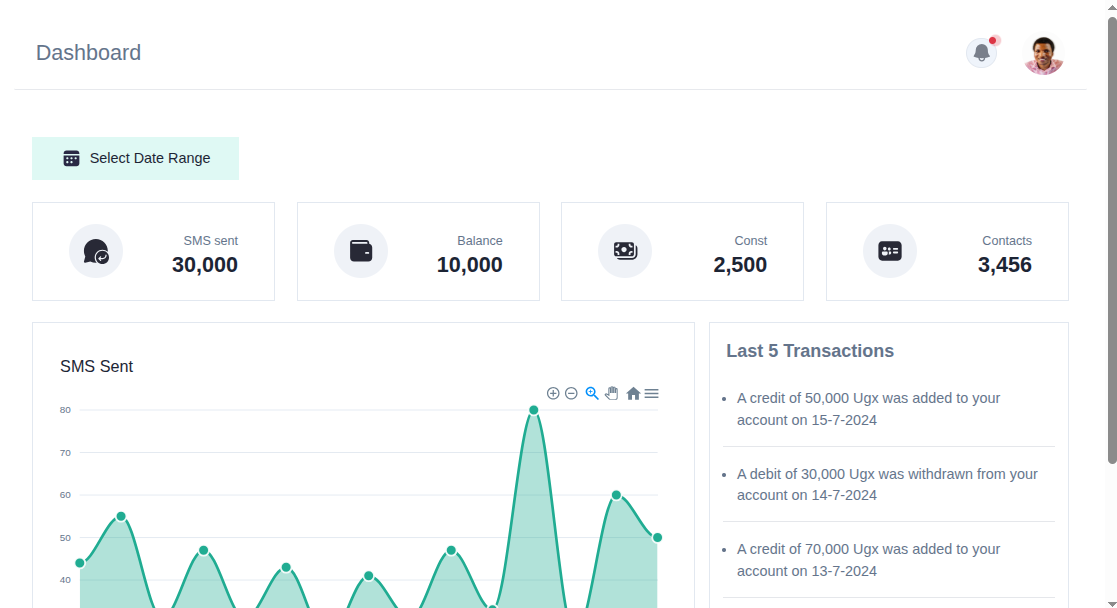
SEND BULK SMS(Note: This is a demo app)
Easily send bulk SMS to your customers with just one click! 🚀 Reach thousands instantly, boost engagement, and keep your audience informed with real-time updates and promotions. 📲✨
#Vue #Laravel #tailwindcss
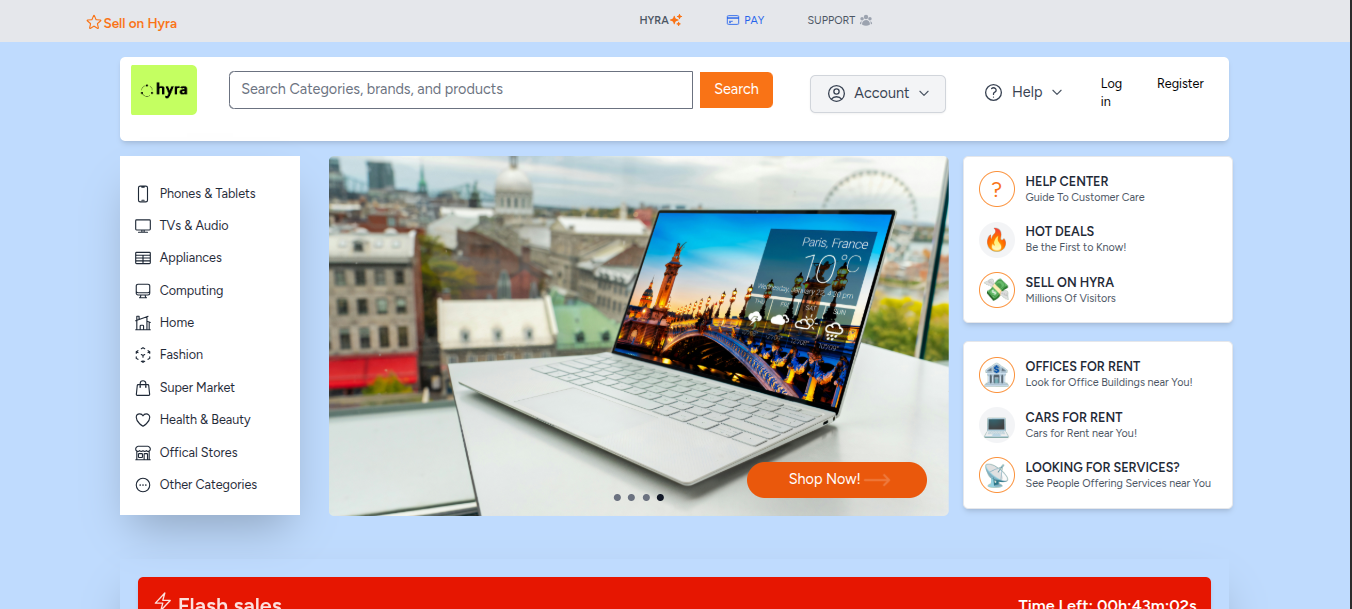
HYRA
Rent or buy anything with ease from the comfort of your palms! 🛍️ Whether it's products or services, shop or rent on the go with just a few taps, making life simpler and more convenient! 📱✨
#Laravel #Inertia Js #Vue #Tailwindcss
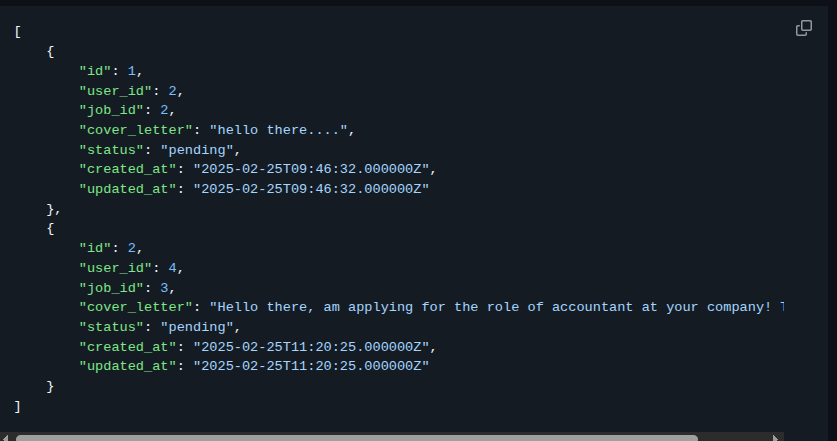
JOB PORTAL(APIs)
Search, apply, and get hired for your dream job with ease! 🚀 With a wide range of job listings, find the perfect job that suits your skills and experience, and get hired in no time! 💼✨
#Laravel
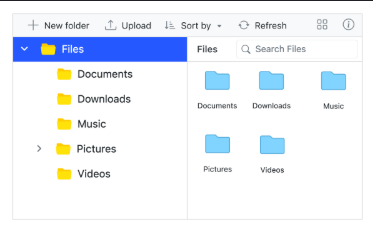
VUE FILE EXPLORER
This project mmics the desktop file system where you can drag, create, delete, and edit files and folders. It also has a search feature to search for files and folders.
#Vue3 #tailwindcss
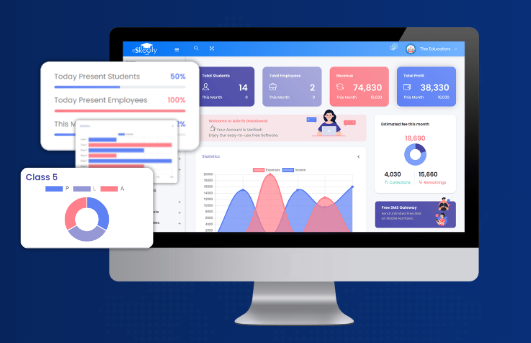
SCHOOL MANAGEMENT SYSTEM
This project is a school management system that allows you to manage students, teachers,classes, accountants, school clerks, generate reports and many more features!. It also has a messaging feature that allows you to send messages to students and teachers.
#PHP #MySQL #Javascript #HTML #CSS #Bootstrap #Codeigniter

So, Don't Overreact But... I'm So Over React
Published on 8th May 2025 | 1 Reactions
More accurately, I’m over everyone treating it like the only answer. I'm a devout supporter of Web...
#webdev #programming #javascript #ai
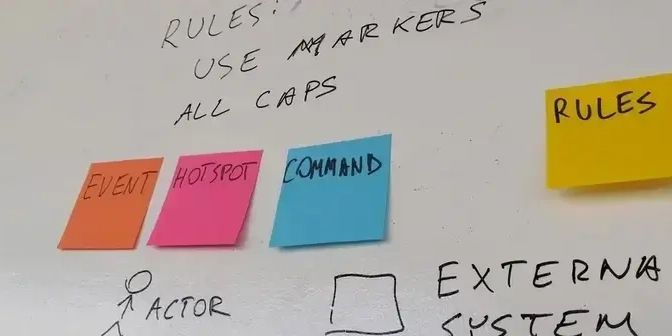
Why do software projects fail despite having excellent code?
Published on 29th April 2025 | 1 Reactions
Why Do Software Projects Fail Despite Having Excellent Code? In the ever-evolving world of...
#webdev #programming #javascript #ai

Will AI Replace Software Developers Surely?
Published on 24th April 2025 | 1 Reactions
Welcome back to another thrilling ride into the heartbeat of technology, right here on TechTalk!...
#webdev #programming #javascript #beginners
International Flutter Hackathon '23
Participant
Sail Institute of Science & Technology Hackathon '21
Participant
eGovernments Foundation Hackathon '24
Participant
Smart Uganda Hackathon '24
Participant
Pycorn Uganda Hackathon '25
Participant
Applied Computer Science with Android
Google Developers
The Complete React Native, Next.js & Redux Course
Udemy Online Course
Data Science and Machine Learning with Python
Udemy Online Course
Dynamic Skills Integration Program
DSI – Center for Innovation and Leadership
Java Programming – Level 1 & Level 2
Cambridge Certification Authority
Author of TechTalk
Creator of TechTalk, a LinkedIn newsletter that delivers insights on emerging technology trends, programming languages, and modern software development practices.
Al-Anon Family Groups (Uganda) Website Development
Designed and launched the official Uganda website for Al-Anon Family Groups, providing a supportive digital platform with a user-friendly interface for individuals affected by alcoholism.
Education Management Information System (EMIS)
Currently part of the development team working on the Education Management Information System (EMIS), a large-scale national platform designed to streamline education data management, reporting, and policy decision-making.
If you’ve made it this far through my profile and found it intriguing, research suggests that a person’s taste in music can reveal a lot about who they are.
I’ve often been complimented for having a solid ear for good tunes, and I’ve always wanted a simple way to share my current favorites—so I put together a Spotify playlist called Melancholy: a regularly updated mix of what’s been living rent-free in my headphones.


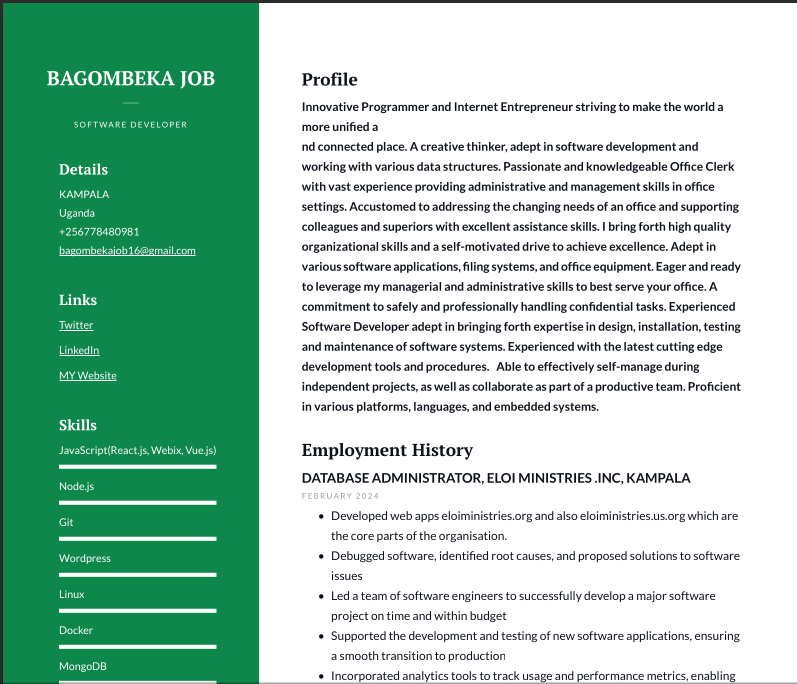
For HR professionals seeking a more streamlined and minimalist version of my details, feel free to download it from here 📄:
Call: +256 778 480 981 or +256 706 595 749Email: bagombekajob@gmail.com
This Website has been a passion project of mine since early 2024. I didn't want my story to live on a boring piece of paper only seen by HRs or talent scouts. I wanted everyone to have access to it — and that’s how this project came to life.
I keep it updated to reflect who I am, because like this site, I’m always evolving. I build it with the latest tech, constantly pushing myself to explore new frameworks, tools, and design ideas — all while keeping one core goal in mind: making it easy for you to get to know me.
This version was crafted using Next JS (React)., styled withTailwind CSS. for its utility-first magic, and deployed viaVERCEL.
I truly hope you enjoyed exploring this site as much as I loved creating and learning through it. If it resonated with you, drop me a message using the contact form — I’d be thrilled to hear from you.
Curious about how it works behind the scenes? The full source code is available on GitHub. You’re free to tinker with it or even build your own version — it’s released under the open and friendly MIT License.
If it breaks... that’s a feature, not a bug 😅
If it works... wow, I’m surprised too 😂.
If you fork or clone this project, please throw a little credit my way 🙏. I poured my soul, sweat, and possibly some tears into building this thing 💻💔. You didn’t write this code—I did 😤. And no, I’m not joking... okay maybe just a little 🤡😂. But seriously, don’t be that person. Give props where props are due! 🫡
